Job seekers often ask what it’s like to work in behavioral health day-to-day. Here’s what you can expect from roles at Marion County Health & Human Services (MCHHS), based on the experiences of our teams in Salem and Woodburn.
What does a behavioral health worker actually do?
Behavioral health roles are centered on helping people achieve better mental health and overall well-being. Although each position has different responsibilities, all contribute to helping individuals and families access the care, support, and resources they need.
What are the most rewarding parts of the job?
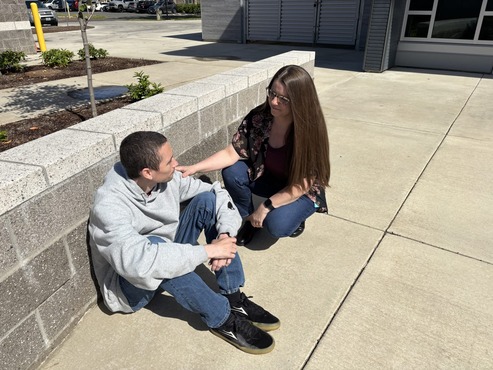
The most common answer from people in this field is that you see the impact of your work directly: supporting someone through a mental health crisis, helping a family connect with the right resources before a situation escalates, or seeing someone in recovery stay engaged because a Peer Support Specialist brings shared lived experience and understanding.
Making a difference is a big part of the job, but it’s not the only reason people enjoy working here. Many team members also point to the variety of the work and the supportive team around them. Anna M., who has been part of the MCHHS team since 2015, described it this way:
I love that every day is different, and there is always something to do… My favorite part of the job is learning a new way to improve the work we are doing as a team.
What are the hardest parts, and how does MCHHS support its team?
This work involves supporting people through difficult moments in their lives, and it may feel emotionally challenging at times. MCHHS provides practical support to help staff care for their own well-being while caring for others. Eligible employees have access to an Employee Assistance Program offering six counseling sessions, plus legal, financial, and homeownership resources at no cost. Supervisors also stay actively involved in supporting their teams.
What roles are available?
Whether you’re beginning a career in behavioral health or bringing years of clinical experience, MCHHS offers roles for a range of backgrounds and qualifications. Here are some examples:
- Peer Support Specialist: for people with lived experience in recovery. This role does not require a clinical degree, but does require training and certification.
- Mental Health Associate: provides direct support to clients and can be a good fit for people building a career in behavioral health.
- Mental Health Specialist: for candidates with more clinical background. Depending on the role, responsibilities may include assessment, treatment planning, and ongoing behavioral health services.
- Crisis Clinician: for qualified behavioral health professionals with training or experience in crisis response, mental health assessment, or community-based care.
Do you need a license or degree to get started?
Requirements vary by position and are clearly outlined in each posting. Some roles are built around lived experience, and others call for clinical credentials. A Mental Health Associate posting, for example, may ask for a Qualified Mental Health Associate (QMHA) certification from MHACBO, or registration within 90 days of hire, plus three years of relevant experience, a bachelor’s in a behavioral science field, or an equivalent mix of education and experience. Peer Support Specialist roles are built around lived recovery experience with required training and certification, while Mental Health Specialist and Crisis Clinician roles call for more advanced clinical qualifications.
Working in behavioral health at MCHHS, in plain terms
Working in behavioral health at MCHHS means helping individuals, families, and the community access care when it matters most. Staff are supported by experienced supervisors, work closely as a team, and have access to resources that help them succeed.
Whether you are early in your career or bringing years of clinical experience, there may be a role here that uses what you already know. To see current openings, browse GovernmentJobs, or read more about what a Crisis Clinician’s day looks like. The Benefits page has the full picture on pay and support, including PERS retirement information from the State of Oregon at oregon.gov/pers.
